
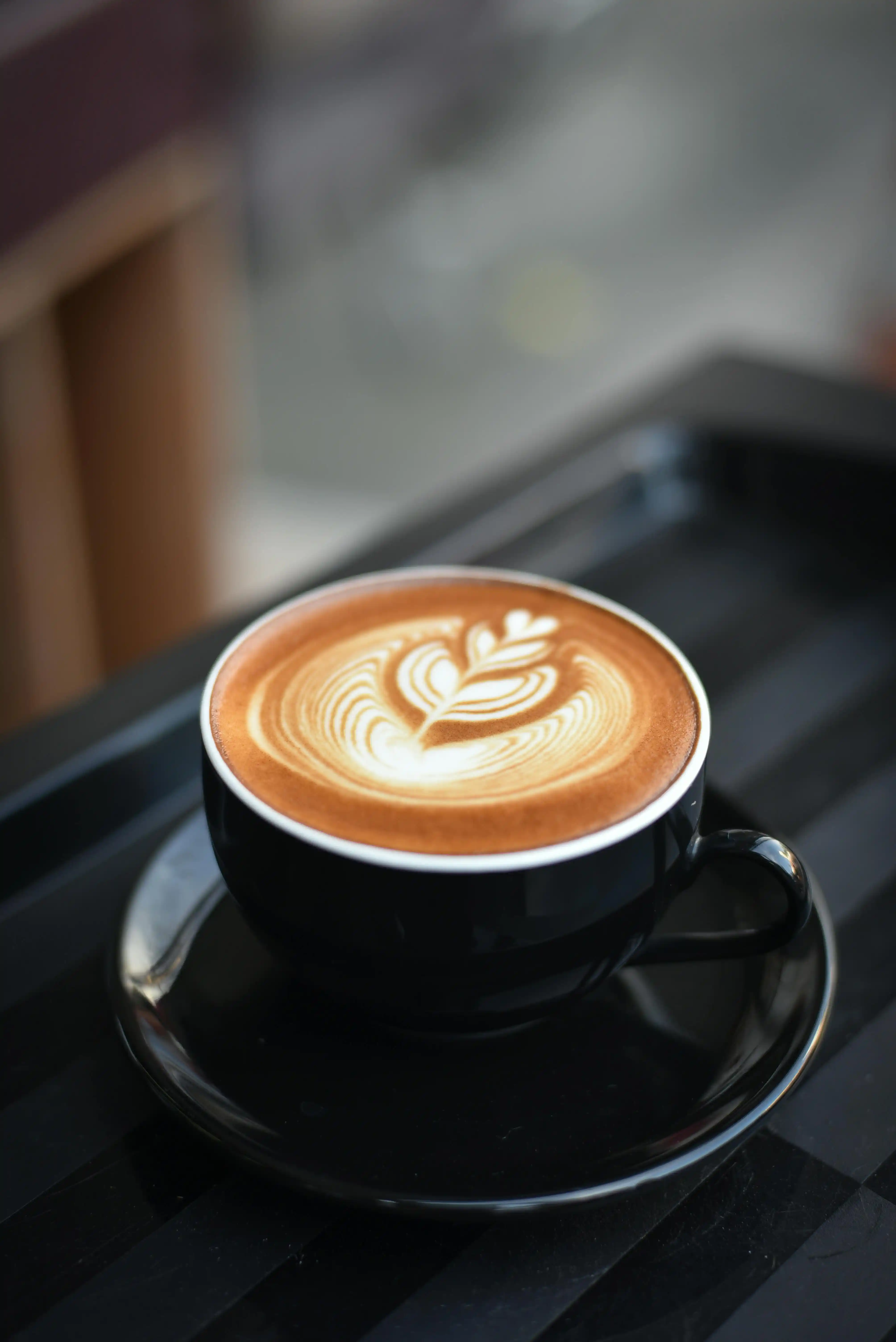
Arabica Coffee Beans have a quiet kind of luxury. They’re balanced, fragrant, and deeply satisfying. And because they feel so smooth, they turn an everyday cup into a small, well-deserved pause.
That’s exactly why Arabica Coffee Beans has become the world’s favorite. Plus, once you know where it comes from (and why it’s called “Arabica” in the first place), the next sip feels even more special.
Where Arabica Began: From Ethiopian Forests to Yemeni Hillsides
Arabica coffee didn’t start in a big factory or a modern farm. Instead, it began in nature.
Wild Arabica plants are native to the highland forests of Ethiopia. There, coffee grew under tree cover long before it became a global ritual. Then, over time, coffee seeds traveled across the Red Sea to Yemen.
Historians widely point to Yemen as one of the earliest places where Arabica was cultivated as a crop. As a result, coffee also evolved into the brewed drink we recognize today.
In other words:
- Ethiopia is coffee’s natural home.
- Yemen helped shape coffee into a tradition—and a trade.
That journey matters. Because of it, Arabica carries a bit of romance: deep roots, careful refinement, and a gentle elegance that still feels timeless.
Why It’s Called “Arabica” (Even Though It Started in Ethiopia)
Here’s the detail most people don’t know: Arabica coffee is called arabica because many Europeans and early botanists learned about coffee through Arabia—especially Yemen and the Arabian Peninsula.
In scientific Latin, “arabica” means “from Arabia.” So, the name honors the region that introduced coffee to the wider world, even if the plant’s earliest home was Ethiopia.
Think of it like a signature on a postcard. Ethiopia is where the story begins. However, Arabia is where the story became famous.
What Makes Arabica Coffee Beans Taste So Loved
Arabica is known for flavors that feel polished. So, the cup often tastes smooth, not forceful.
You’ll often find:
- Soft sweetness (sometimes like caramel, honey, or ripe fruit)
- Gentle brightness (a clean finish that doesn’t feel sharp)
- Aromatic notes (floral, cocoa, citrus, or toasted nuts, depending on origin)
Compared to Robusta (another major coffee species), Arabica typically has lower caffeine. Because of that, it’s often experienced as softer and less intense.
That’s also why Arabica pairs so beautifully with desserts. It doesn’t fight the pastry. Instead, it complements it.
Why Arabica Is So Particular About Where It Grows
Arabica is a little demanding—in a charming way. For example, it prefers cooler, steadier temperatures.
That’s one reason Arabica is so closely tied to highlands and mountain regions. In cooler air, the coffee cherry often matures more slowly. As a result, the flavor can feel more layered and more balanced.
In simple terms: good Arabica takes its time.
A Quick Guide to Arabica Origins (And What You Might Taste)
Arabica is grown in many countries today. Still, origin shapes the experience in a big way.
Here are a few classic “starting points” when you’re choosing a bag:
- Ethiopia: Often floral or citrusy, with a delicate, tea-like lift
- Colombia: Balanced and crowd-pleasing, with soft sweetness
- Brazil: Comforting and smooth, often with cocoa and nutty notes
- Central America (Guatemala, Costa Rica, etc.): Crisp, clean, and elegant
No origin is “best.” Instead, the best one is the one that fits your moment.
How to Choose Arabica Coffee Beans You’ll Truly Enjoy
If you want a cup that feels like a small moment of French café elegance, look for a bag with clear, honest details. Then, keep it simple.
When you’re shopping, check for:
- Roast date (fresh matters more than fancy packaging)
- Origin (country is a good start; region is even better)
- Tasting notes you actually like (chocolate, stone fruit, caramel, floral)
- Whole beans if you can (because grinding right before brewing boosts aroma)
And here’s a gentle reminder: “100% Arabica” is a great sign. However, it’s not the whole story. A thoughtfully grown, thoughtfully roasted coffee will always stand out.
The Most Elegant Way to Drink Arabica Coffee Beans
You don’t need special equipment to make Arabica feel special. Instead, you just need a small ritual.
Try this:
- Brew it the way you love—drip, pour-over, French press, or espresso
- Pour it into a cup you enjoy holding
- Then take the first sip without multitasking
That’s the secret.
Arabica isn’t only a flavor.
It’s an invitation to slow down.
And if you’re pairing it with something sweet? Even better. A delicate pastry beside a smooth cup of Arabica is, in our opinion, a perfect little break—simple, satisfying, and quietly refined.
A sweet note from us
Eclairs Cafe is opening soon, and we can’t wait to share our pastries (and our favorite coffee pairings) with you. In the meantime, follow our Instagram page to be the first to know about opening updates, menu previews, and behind-the-scenes moments.